

North of Amman, Jerash is an archaeological city where Roman streets, plazas and monuments preserve the story of ancient Gerasa. Evidence of human occupation here dates back more than 6,500 years, and the city flourished under Roman rule as one of the Decapolis cities. Plan a day trip around the site’s visitor center, ancient streets and major landmarks.
- Start at the Jerash Visitor Center for maps, brochures, information boards, a short film and a model of the site.
- Walk the ancient streets and plazas, then make time for the theatres, temples and museum.
- For a summer visit, look out for the Jerash Festival of Culture and Arts, whose performances use the ancient streets, plazas and theatres as venues.
Times checked November 2026.
How far is Jerash from Amman?
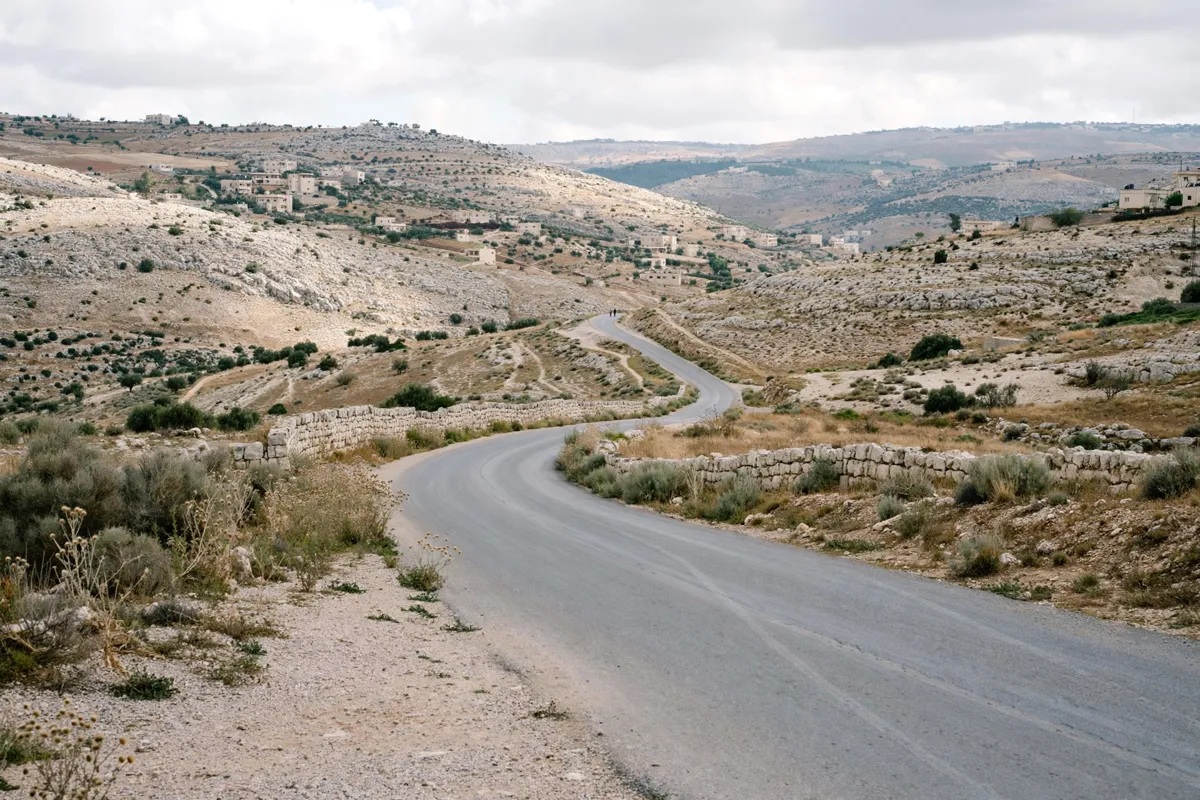
Jerash is north of Amman. Plan your onward journey and return with your chosen transport provider, and confirm the pickup and drop-off arrangements before you set out.
How do you get from Amman to Jerash and arrange the return?
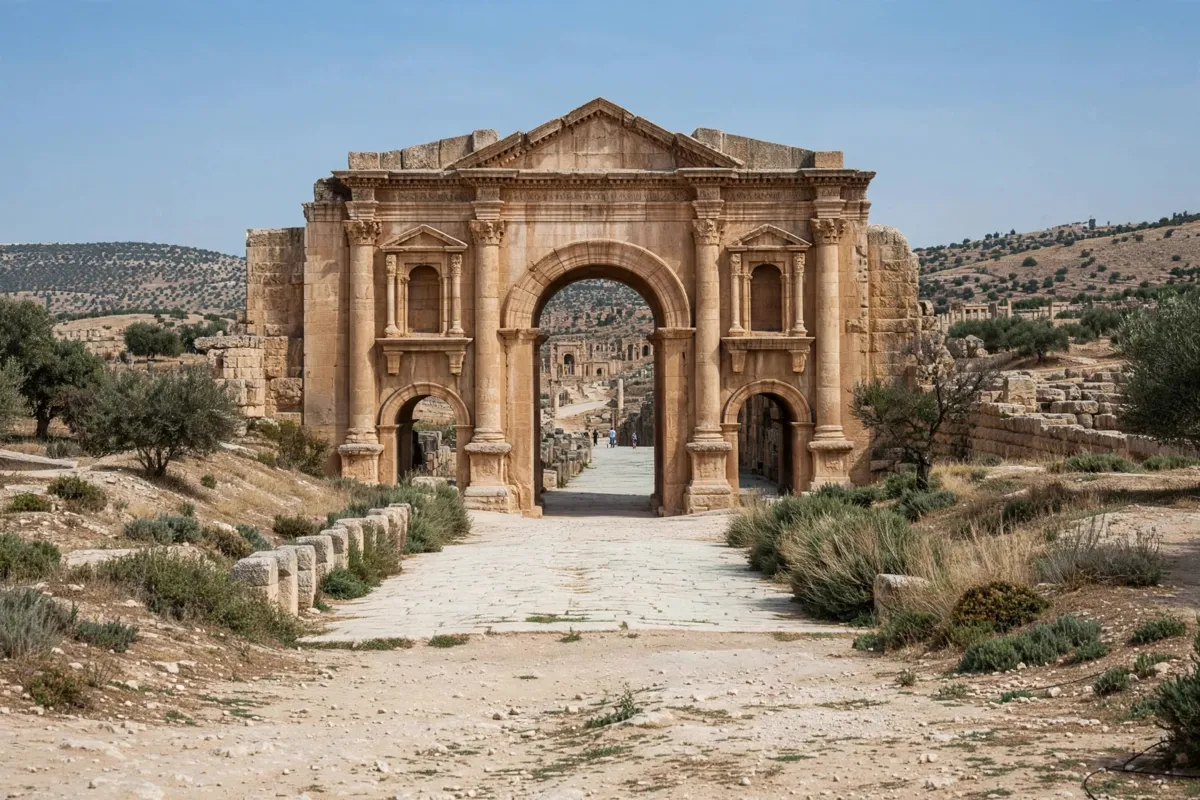
From Seas Hotel Amman, drive to Amman city centre in about 17 minutes. You can pair that city-centre journey with planning local connections using the Amman getting-around guide, which covers taxis, buses and key stations. Arrange the outward journey to Jerash and the return with your transport provider, confirming pickup and drop-off details.
What can you see at the Jerash archaeological site?
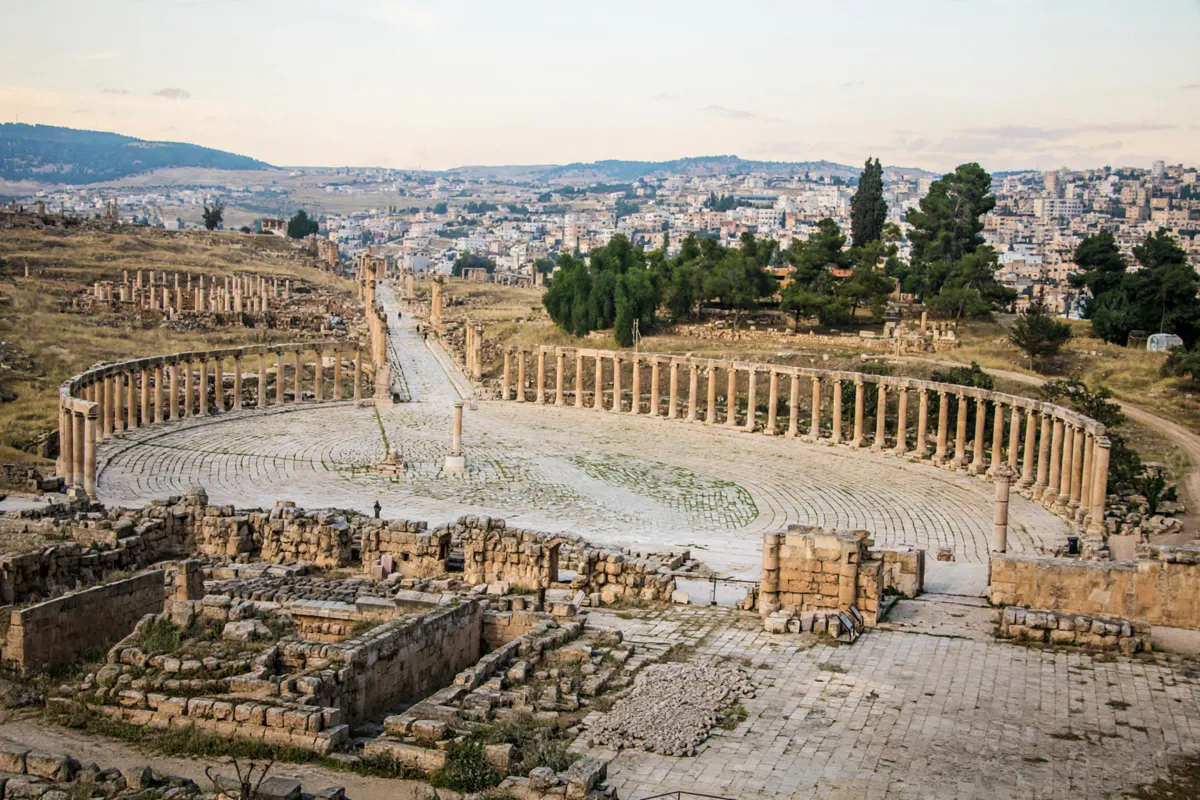
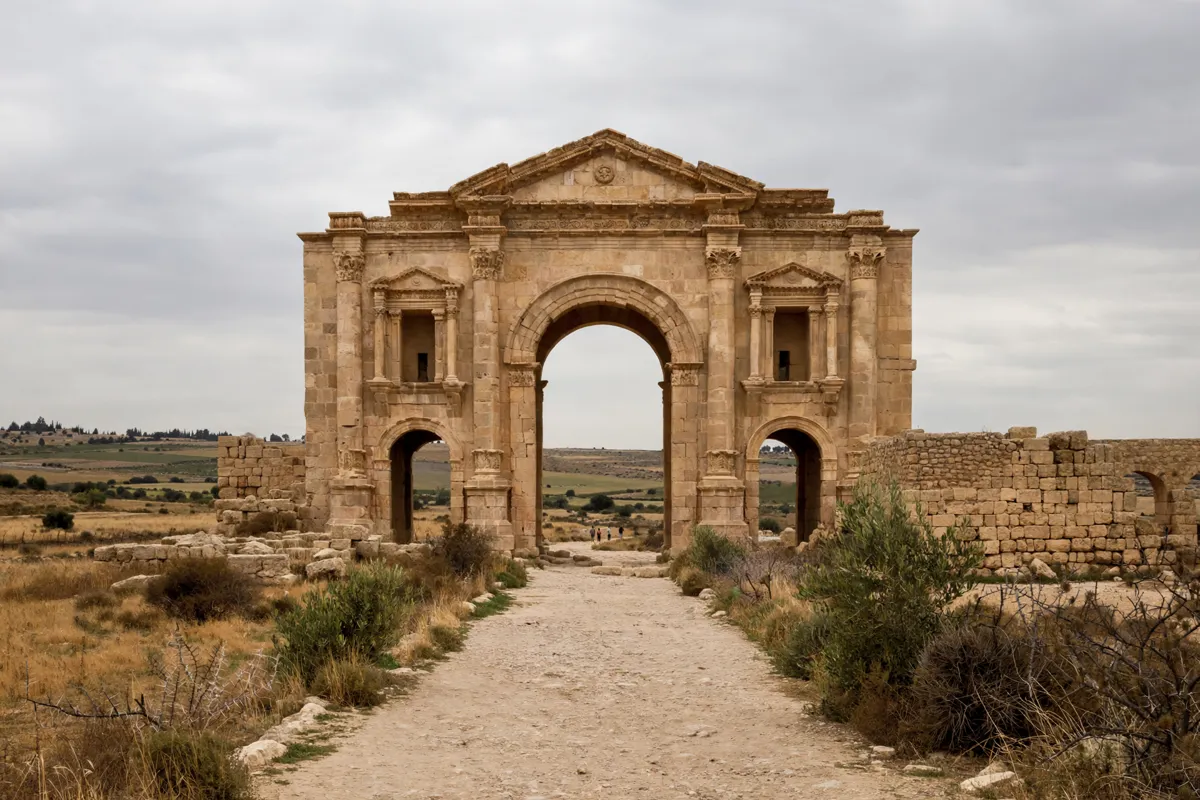
Jerash’s Roman-era remains include paved, colonnaded streets, hilltop temples, theatres, public squares, baths, fountains, city walls, towers and gates. Begin at Hadrian’s Arch, built to mark Emperor Hadrian’s visit, then continue to the Oval Plaza, which links the Cardo with the Sanctuary of Zeus.
The Hippodrome, North and South Theatres, Colonnaded Street, Temple of Artemis and Great Temple of Zeus are other named landmarks.
The Hippodrome could seat 15,000 spectators. Allow time for the Jerash Archaeological Museum, whose collection spans the Paleolithic Age to the Late Islamic Age and includes pottery, jewellery, coins, statues and mosaics. The site was buried under sand for centuries before excavation and restoration over the past 70 years.
Jerash tickets, opening hours and time on site
The Jerash Visitor Center provides local guides, brochures and maps, information boards, a short film about the sites and a model of the archaeological city. Stop there first to get oriented before walking the streets and plazas.
For a summer visit, the recurring Jerash Festival of Culture and Arts usually takes place at the end of July and beginning of August, with performances and exhibitions staged in the ancient streets, plazas and theatres.
Jerash’s Roman-era remains include paved, colonnaded streets, hilltop temples, theatres, public squares, baths, fountains, city walls, towers and gates. Parts of Jordan, including the Dead Sea area, can face heavy rain and flash flooding from October through March; roads and bridges may be blocked and tourist areas may close.
FAQs
How do I plan transport from Amman to Jerash?
Arrange the outward and return journeys with your chosen transport provider, and confirm pickup and drop-off arrangements before you set out.
What should you see first at Jerash?
Start at the Visitor Center for maps and an overview, then see Hadrian’s Arch and the Oval Plaza before exploring the Cardo, theatres and temples. The Hippodrome and Jerash Archaeological Museum are also highlights.
What can you see at the Jerash Festival?
The recurring summer festival usually takes place at the end of July and beginning of August. Its programme features singers, music and folklore groups, poetry, orchestras, ballet, Shakespearean theatre, handicrafts and art shows, with performances in Jerash’s colonnaded streets, plazas and theatres.
Can weather affect travel in Jordan?
Heavy rain and flash flooding can affect parts of Jordan, including the Dead Sea area, from October through March. Roads and bridges may be blocked and tourist areas may close, so check conditions before setting out.